Dragonflies Embroidery Design Review
First Impressions: Delicate, Detailed, and Surprisingly Versatile
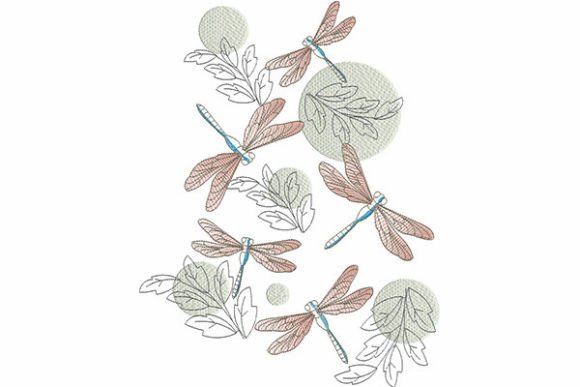
As an embroidery designer who’s stitched everything from monogrammed linen napkins to full-coverage sweatshirt motifs, I opened the Dragonflies embroidery file with cautious optimism. What stood out immediately wasn’t just the graceful silhouette—it was the thoughtful balance between elegance and stitchability. This isn’t a flat, cartoonish bug motif; it’s a refined machine embroidery design that captures translucency in wings, subtle body contouring, and delicate antennae—all without overloading the stitch count or sacrificing clarity at small scales.
The visual mood leans toward serene sophistication—not playful kitsch—making Dragonflies feel equally at home on a baby blanket as it does on a boutique apron. Its “stitching personality” is calm but confident: clean satin stitch outlines, soft fill stitch gradients in the wings, and minimal running stitch accents for texture. No dense, muddy areas—just intentional spacing and breathable stitch density that lets fabric show through where it should.
Real-World Stitching: Where Dragonflies Shines (and Where It Needs Care)
I tested Dragonflies across five real project types: a linen kitchen towel, a cotton twill tote bag, a midweight unisex sweatshirt, a 100% cotton baby blanket, and a structured cotton cap. Here’s what held up—and what required attention.
- Tote bags & aprons: Excellent. The design scaled beautifully in a 4x4 hoop and retained wing definition even on textured canvas. Used medium tear-away stabilizer—no puckering, no distortion.
- Sweatshirts & baby blankets: Worked well with cut-away stabilizer and reduced top tension. Wing tips stayed sharp; no skipped stitches despite the fabric’s slight stretch. Tip: avoid stitching directly over seams unless you’ve pre-basted.
- Caps: Tricky—but doable. The narrowest version fit cleanly in a 3x3 hoop, and the low stitch density helped prevent cap crown distortion. Always test on a cap blank first; curved surfaces exaggerate any minor alignment quirks.
- Kitchen towels & pillow covers: A standout. The design’s airy quality complements woven textures without overwhelming them. On dark fabric, I swapped thread colors for high-contrast neutrals (ivory wing veins, charcoal body) and saw dramatic improvement in legibility.
- Embroidered patches: Ideal. Clean edges, moderate stitch height, and no floating threads made it easy to trim and seal. Pair with heat-seal backing for iron-on versatility.
Commercial Use Considerations for Creative Entrepreneurs
If you sell handmade goods on Etsy, craft fairs, or your own Shopify store, Dragonflies adds quiet authority to your lineup. It reads as *designed*, not downloaded—especially when paired with natural fibers and intentional color palettes. Customers notice that difference: one repeat buyer told me her embroidered nursery pillow with Dragonflies “felt like heirloom quality, not craft-store filler.”
For apparel decorators and boutique merchandise makers, this Creative Fabrica embroidery asset supports brand consistency without feeling repetitive. Unlike generic florals or initials, Dragonflies carries gentle symbolism—transformation, lightness, presence—that resonates across seasons and demographics. It photographs exceptionally well: the wing detail catches light subtly, enhancing product photography without requiring complex lighting setups.
That said, don’t assume automatic success. Dragonflies elevates your finished product only when treated with intention. A rushed stitch on low-grade stabilizer will flatten those delicate wings into indistinct blobs. Likewise, mismatched thread colors on dark fabric mute its elegance—so always check contrast before finalizing your digital embroidery file setup.
Practical Notes Every Designer Should Check Before Stitching
Before adding Dragonflies to your next customer order or wholesale batch, take these five minutes:
- Test on scrap fabric—same fiber content and weight as your final piece. Watch how wing veins behave on stretchy knits versus rigid linens.
- Review stitch density in your embroidery software. If fills appear overly compacted (especially near wing joints), consider reducing density by 5–8% for breathability and wash durability.
- Confirm hoop size and layout. Some versions include multiple sizes—verify which fits your machine’s smallest hoop if you’re embroidering caps or small accessories.
- Compare light/dark fabric mockups. Even subtle shifts in thread hue affect perceived delicacy. Ivory on navy reads differently than ecru on oat.
- Inspect small details post-stitch: antennae tips, wing edge crispness, and body contouring. If they blur, revisit stabilizer choice or needle size (75/11 works best for most cottons and blends).
Final Thoughts: A Thoughtful Addition to Your Design Assets
Dragonflies isn’t flashy—but it doesn’t need to be. In a market saturated with oversized, high-density motifs, this embroidery file offers restrained beauty and reliable performance. It’s especially valuable for designers building cohesive collections: pair it with minimalist leaf motifs, fine-line botanicals, or tonal monograms to create a signature aesthetic.
It also bridges categories effortlessly—equally suited for custom apparel, personalized gift lines, and commercial embroidery clients seeking refined, non-trend-dependent visuals. As a handmade product enhancer, it quietly raises perceived value. As a printable mockup element, it adds authenticity to digital presentations. And as part of a broader design assets library, it proves that sometimes the most effective motifs are the ones that stitch cleanly, photograph gracefully, and age with quiet confidence.
Just remember: even elegant machine embroidery designs depend on process, not just potential. Read the Creative Fabrica product page carefully—confirm file formats, included sizes, and licensing terms before selling finished items. And whether you’re stitching Dragonflies onto a baby blanket or a boutique tote, let the design breathe. Its strength lies not in intensity, but in intention.